
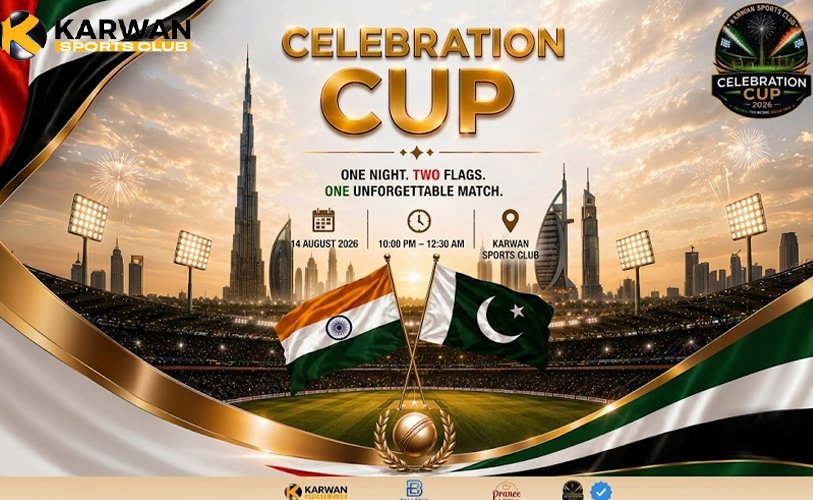
That’s the short version. The longer version—the one worth telling properly—starts weeks before a single ball was bowled.
Why Celebration Cup 2026 Became More Than a Match
Every cricket season has its usual rhythm: club leagues, weekend friendlies, and the odd charity fixture. Celebration Cup 2026 didn’t fit that rhythm at all. It was conceived as something different from the outset — an event where the result on paper mattered less than the relationships built off it.
Organizers wanted a match that reflected the diversity of the community it served: players from different backgrounds, different passports, and different cricketing traditions all turning up to represent not just a team but a shared sense of belonging. That’s where the “Two Flags, One Heart” idea came from. Two teams, two sets of colors, one occasion that neither side wanted to see end.
The Idea Behind a Unity-Themed Cricket Event
Unity-themed sporting events aren’t new, but cricket lends itself to the idea unusually well. It’s a slow game by design—long enough for conversations to happen between overs, long enough for families to sit together through an entire afternoon, long enough for rivalries to soften into friendships by tea time. Celebration Cup 2026 leaned into that pace rather than fighting it.
The organizing committee didn’t want a token gesture — a photo op before kickoff and then business as usual. So the unity theme was built into the structure of the day itself: mixed warm-up drills, a joint national anthem moment, and a closing ceremony where both squads posed together rather than separately. Small choices, but they added up to something that felt genuinely different from a standard fixture.
Inside the Buildup: How the Match Came Together
Getting two communities to agree on a shared match day sounds simple until you try to actually schedule it. Grounds needed booking well in advance, umpires needed briefing on the tone of the event (this wasn’t meant to be cutthroat), and both squads needed time to train together, not just against each other.
Choosing the Right Venue
A big part of the match’s success came down to logistics that most spectators never think about — pitch quality, seating for families, parking, and enough space for two sets of supporters to mingle rather than sit divided down the middle. This is where having access to a proper multi-purpose sports facility made all the difference. The organizers ultimately settled on grounds through Karwan Sports Club, a venue known locally for hosting community fixtures that need more than just a patch of grass—they need infrastructure that can handle a genuine occasion.
The cricket-specific setup mattered just as much as the venue’s general reputation. Anyone who’s tried to organize a serious match knows that pitch condition, boundary marking, and practice-net access can make or break the day. The cricket grounds used for Celebration Cup 2026 gave both squads a proper surface to train and compete on, which meant the cricket itself could stand on its own merits rather than being an afterthought to the ceremony around it.
Bringing Two Squads Together in Ajman
Location played its own quiet role in the story. Hosting the fixture in Ajman put the match within easy reach of both communities involved, which meant families didn’t have to choose between attending and staying home. That accessibility turned what could have been a modest turnout into a proper community gathering — stands filled, sidelines busy, kids running between overs chasing a tennis ball of their own.
The Match Itself: What Actually Happened on the Day
Once the toss was done and the first ball bowled, Celebration Cup 2026 played out like most good cricket matches do — moments of tension, a few costly drops, a partnership that steadied things, and a finish that kept people on their feet longer than expected. But even mid-innings, the tone stayed noticeably different from a typical competitive fixture.
A Day Built Around Sportsmanship
Applause came from both sides of the boundary rope regardless of which team was batting. When a fielder pulled off a sharp catch, the reaction from the crowd wasn’t split down team lines — it was shared. That’s rare in competitive sport, and it’s exactly what the organizers had hoped for when they built the unity concept into the match from day one.
Players from both squads later described the atmosphere as closer to a family gathering than a contest. One long-time club member, watching from the boundary with his children, put it simply: the scoreline would be forgotten by the following week, but the photographs of both teams sitting down together afterward wouldn’t be.
Community in the Stands
The stands told their own story. Flags from both sides were visible everywhere — sometimes side by side in the hands of the same person. Food was shared between families who’d never met before kickoff. Kids from both communities ended up playing informal games of their own on the outfield during the lunch break, unaware they were quietly recreating the exact spirit the whole event had been designed around.
Why This Cricket Unity Match Matters Beyond the Scoreboard
It’s tempting to reduce sporting events to results, but Celebration Cup 2026 was never really about who won. The lasting value of the day came from what it demonstrated: that cricket, more than most sports, can serve as neutral ground where communities meet without needing a formal reason to do so.
Building Bridges Through Sport
Community sport has always had this quiet power — a shared pitch doesn’t ask where you’re from before it lets you play. What Celebration Cup 2026 did well was make that power visible and intentional rather than accidental. Instead of hoping unity might emerge naturally from a mixed crowd, the organizers built structures — joint warmups, shared ceremonies, accessible venues — that made it far more likely to happen.
What Organizers Learned for Future Editions
Conversations after the match already point toward this becoming a recurring fixture rather than a one-off. Feedback from both squads and their supporters focused on a few consistent themes: keep the venue accessible, keep the ceremonial elements meaningful rather than performative, and give both communities equal ownership over how the day is run. None of that is complicated advice, but it’s the kind of detail that separates a memorable unity event from a forgettable exhibition match.
What This Means for Local Cricket Culture
Events like this one tend to ripple outward in ways that aren’t always immediately obvious. A single afternoon of shared cricket doesn’t rewrite a community’s relationships overnight, but it does something almost as valuable — it gives people a reference point. The next time these two communities cross paths, there’s now a shared memory to draw on rather than a blank slate.
For grounds and clubs that host these kinds of fixtures, there’s also a practical lesson here. Facilities built with flexibility in mind — proper pitches, room for spectators, easy access for families — end up being the quiet backbone of events that later get remembered as historic. Without that infrastructure, even the best intentions behind a unity match can fall flat.
Final Thoughts: A Match Worth Remembering
Celebration Cup 2026’s cricket unity match won’t be remembered for a particular bowling figure or a standout batting performance, though there were plenty of good individual moments on the day. It’ll be remembered because it did something sport doesn’t always manage to do: it brought people together on purpose, rather than by accident, and gave them a reason to come back and do it again.
Two flags, one heart isn’t just a nice phrase for a headline—by the end of the day, it was a fairly accurate description of what everyone in those stands had actually experienced. If this is the start of an annual tradition, then Celebration Cup 2026 will likely be looked back on not as the biggest match of the year, but as the one that started something worth keeping.