
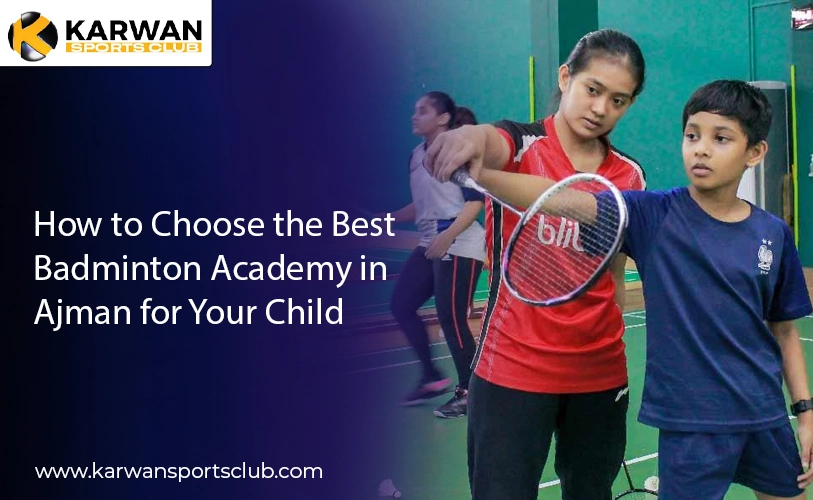
Choosing the right sports academy can make a significant difference in a child’s physical development, confidence, discipline, and interest in sports. If your child enjoys badminton, finding a suitable Badminton Academy in Ajman can give them the opportunity to learn proper techniques, stay active, and develop their skills in a structured environment.
Badminton is more than simply hitting a shuttlecock over a net. Young players need to learn footwork, racket control, balance, coordination, movement, serving, attacking, defending, and game strategy. A good academy combines these skills with age-appropriate coaching and a positive learning environment.
With several sports facilities and coaching options available, parents may find it difficult to decide which academy is suitable for their child. This guide explains the most important factors to consider before enrolling your child in badminton training in Ajman.
Why Badminton Is a Good Sport for Children
Badminton is a fast-paced sport that can provide children with a combination of physical activity and mental stimulation. Players need to react quickly, move around the court, and make decisions within seconds.
Regular badminton practice can help children develop:
- Hand-eye coordination
- Balance and agility
- Speed and flexibility
- Cardiovascular fitness
- Reflexes and reaction time
- Concentration
- Discipline
- Confidence
- Teamwork and sportsmanship
The sport can also encourage children to spend more time being physically active rather than sitting for long periods with screens and electronic devices.
For parents looking for an enjoyable activity that can develop both physical and mental skills, badminton can be a practical choice.
What to Look for in a Badminton Academy in Ajman
Not every badminton academy offers the same training experience. Before choosing one, parents should consider several factors.
1. Qualified and Experienced Coaches
The coach is one of the most important factors in your child’s badminton development.
A good coach should understand how to teach children at different skill levels. Beginners should not be expected to perform advanced techniques immediately. Instead, the coach should gradually introduce basic skills before moving to more challenging exercises.
Ask about the coach’s:
- Badminton experience
- Coaching qualifications
- Experience working with children
- Training methodology
- Approach to beginners
- Experience preparing players for competitions
A coach who communicates clearly and encourages young players can help children enjoy training and remain motivated.
2. Age-Appropriate Training Programs
Children of different ages have different physical abilities and learning requirements.
A suitable Badminton Academy in Ajman should ideally provide training groups based on age and skill level.
For example, younger children may need sessions focused on:
- Basic racket handling
- Simple footwork
- Coordination exercises
- Shuttle control
- Fun badminton games
Older or more advanced players may require:
- Advanced footwork
- Smash techniques
- Defensive movements
- Tactical training
- Match practice
- Competition preparation
Age-appropriate coaching helps prevent children from becoming overwhelmed and allows them to develop gradually.
3. Training for Beginners
If your child has never played badminton before, look for an academy that welcomes beginners.
A beginner-friendly program should introduce the sport step by step. Children should learn how to hold the racket correctly, control the shuttle, move around the court, serve, and understand basic rules.
The first few sessions should be enjoyable rather than overly competitive.
A positive introduction can help children build confidence and develop a long-term interest in badminton.
4. Quality of the Badminton Courts
The training environment matters just as much as coaching.
Before enrolling your child, check the quality of the badminton courts. Look for a clean and well-maintained facility with appropriate flooring, lighting, nets, and enough space for players to move safely.
Important things to check include:
- Court condition
- Flooring quality
- Lighting
- Ventilation or air conditioning
- Net quality
- Court availability
- General cleanliness
- Changing facilities
- Waiting area for parents
A comfortable training environment can make regular practice more enjoyable for children.
5. Safety Standards
Children’s safety should always be a priority.
Badminton involves quick movements, jumping, lunging, and sudden changes in direction. A suitable academy should maintain safe courts and provide proper supervision.
Parents should check whether coaches teach children appropriate warm-up and stretching exercises before intense training.
The academy should also have clear procedures for handling minor injuries and emergencies.
Good safety practices can reduce avoidable risks while allowing children to participate confidently.
6. Class Size and Individual Attention
Class size can affect the quality of training.
If a group contains too many players, a coach may have limited time to observe each child’s technique. Smaller groups can make it easier for coaches to identify mistakes and provide individual feedback.
When visiting an academy, ask:
- How many children are in each class?
- How many coaches supervise the group?
- Does every player get individual feedback?
- Are players divided according to ability?
The right balance allows children to practice enough while still receiving guidance from their coach.
7. Training Schedule
Parents should choose a training schedule that fits comfortably into their child’s routine.
Children may already have school, homework, family activities, and other commitments. A training schedule that is too demanding may eventually become difficult to maintain.
Ask about:
- Weekday classes
- Weekend sessions
- Session duration
- Number of classes per week
- Holiday programs
- Make-up sessions
Consistency is generally more useful than enrolling a child in an intensive schedule that they cannot maintain.
8. Fees and What Is Included
Cost is another important consideration when choosing a badminton academy.
However, parents should not compare academies based only on the monthly fee. Find out what is included in the price.
Ask whether the fees cover:
- Coaching
- Court usage
- Training equipment
- Assessment sessions
- Tournament preparation
- Competitions
- Registration
- Uniforms
- Shuttlecocks
Some academies may offer different packages depending on the number of sessions per week.
Understanding the complete fee structure can help parents avoid unexpected expenses.
9. Trial Classes
A trial class can be extremely useful before making a long-term commitment.
If an academy offers a trial session, allow your child to participate and observe how they respond to the environment.
During the trial, look at:
- How the coach communicates
- Whether children appear engaged
- How the session is organized
- Whether the coach corrects techniques
- Whether children receive enough practice time
- How the academy manages different skill levels
Most importantly, ask your child how they felt after the session.
A training environment that your child enjoys may encourage them to practice consistently.
10. Competitive Training Opportunities
Not every child wants to become a competitive badminton player. Some simply want to stay active and have fun.
However, if your child shows strong interest and ability, it can be useful to choose an academy that provides opportunities for competitive development.
These may include:
- Friendly matches
- Internal tournaments
- Local competitions
- Match practice
- Ranking opportunities
- Advanced coaching
- Tournament preparation
Competition can teach children valuable lessons about preparation, discipline, sportsmanship, and handling both victories and losses.
11. Parent Reviews and Reputation
Online reviews can provide useful information when researching a Badminton Academy in Ajman.
Look for comments about:
- Coaching quality
- Staff behavior
- Facility cleanliness
- Class organization
- Communication
- Children’s progress
- Scheduling
- Overall experience
However, do not rely entirely on online reviews. Visit the facility when possible and speak directly with the academy.
Parents can also ask other families about their experiences.
12. Location and Accessibility
Location is an important practical factor.
Even if an academy has excellent facilities, travelling a long distance several times a week can become difficult for both parents and children.
When choosing an academy, consider:
- Distance from home
- Distance from school
- Traffic conditions
- Parking availability
- Public transport access
- Training times
A conveniently located academy can make it easier for your child to attend regular sessions.
13. Focus on Technique and Fundamentals
Children should learn the correct fundamentals before moving to advanced badminton techniques.
A structured program should gradually cover skills such as:
Grip
Children should learn how to hold and control the racket correctly.
Footwork
Good footwork allows players to reach the shuttle efficiently and return to the correct position.
Serving
Players need to learn different serving techniques and understand where and how to serve.
Clear Shots
Clear shots help players move their opponents toward the back of the court.
Drop Shots
Drop shots require control and accuracy and can change the pace of a rally.
Smash
The smash is an attacking shot that requires proper technique, timing, and body movement.
Defense
Players should learn how to react to attacking shots and maintain control during difficult rallies.
Strong fundamentals can provide a foundation for more advanced badminton skills later.
How Parents Can Support Their Child’s Badminton Development
Choosing the right academy is only part of the process. Parents can also support their child’s development outside training sessions.
Encourage your child to:
- Attend training consistently
- Listen to their coach
- Practice basic skills
- Stay physically active
- Get enough rest
- Drink sufficient water
- Eat balanced meals
- Maintain a positive attitude
- Learn from mistakes
- Enjoy the sport
Avoid putting excessive pressure on children to win every match.
Young players can improve more effectively when they understand that mistakes are part of learning.
Questions to Ask Before Joining a Badminton Academy
Before registering your child, consider asking the academy the following questions:
- Are the coaches qualified and experienced?
- What age groups do you train?
- Do you offer beginner classes?
- How many students are in each group?
- How long is each training session?
- How many sessions are recommended per week?
- Are trial classes available?
- What are the monthly or term fees?
- Are equipment costs included?
- Do you organize competitions or tournaments?
- What safety measures are in place?
- Can parents observe training sessions?
The answers can help you understand whether the academy matches your child’s needs.
Signs That Your Child Is Enjoying Badminton
A good academy should help children develop a positive relationship with the sport.
Some signs that your child is enjoying badminton include:
- They look forward to training.
- They talk about badminton at home.
- They want to practice outside class.
- They enjoy learning new skills.
- They feel comfortable asking the coach questions.
- They become more confident on the court.
- They enjoy playing with other children.
Enjoyment is particularly important for younger players because it can encourage long-term participation.
When Should Your Child Start Badminton?
There is no single age that is perfect for every child.
Younger children can begin with basic movement, coordination, and fun racket activities. As they grow, training can become more structured and technical.
The most important consideration is whether the program is suitable for the child’s age and physical development.
Parents should choose a program that allows children to learn progressively rather than expecting advanced performance immediately.
Why the Right Academy Can Make a Difference
The right badminton environment can influence how a child approaches sport.
A well-organized academy can provide structured coaching, regular practice, experienced guidance, and opportunities to interact with other young players.
Over time, children may develop not only badminton skills but also qualities such as discipline, patience, concentration, and confidence.
The objective should be to create a healthy balance between skill development and enjoyment.
Final Thoughts
Finding the right Badminton Academy in Ajman requires more than simply comparing prices or choosing the nearest facility. Parents should consider coaching quality, class size, training programs, court conditions, safety, schedules, fees, trial sessions, and opportunities for development.
Start by identifying your child’s goals. If they are completely new to badminton, prioritize a supportive beginner program. If they already have experience, look for structured training that can help them improve technique and match skills.
Visiting an academy, observing a session, speaking with coaches, and allowing your child to try a class can make the decision easier.
Most importantly, choose an environment where your child feels safe, encouraged, and motivated to learn. With regular practice and positive coaching, badminton can become an enjoyable activity that supports your child’s physical fitness, confidence, and personal development.